Monday, January 4, 2010

How to Clean Vintage Costume Jewelry

By Jerrie Dean

Vintage Costume Jewelry needs special attention when you clean it. Read on for tips on how to clean your costume jewelry.

Step 1
  1. Some costume jewelry will turned green. This is called verdigris and is a patina that occurs on copper, brass or bronze over time and can appear on your vintage costume jewelry because it was made with these metals in it. It is not something that you want to leave on your jewelry as it will start to decay it. Ketchup and vinegar can be used, but I think that lemon juice is better. You can use a q-tip or soft toothbrush to help get to the hard to reach places. You may find that the finish has been compromised from the vendigris, but that is better than loosing the piece to decay.

  2. Step 2

    Scratching can ruin the old stones in your piece and make it look dull. To keep it looking like new always store it so that it isn't touching your other jewelry or wrap it with a old wash cloth. Zip lock bags work well for storage, too. If you have a room, displaying your jewelry in a curio cabinet is a great idea.

  3. Step 3

    Vintage costume jewelry are usually set with prongs but some may still have glue to keep them in. You want to be careful and look at your piece before you put it in a jewelry cleaner full of jewelry cleaning solution. It will soften the glue. You particularly want to be careful with pieces that have colored backing as this will chip away or dissolve. Also, any pieces that are faux pearls will loose their outter shell or chip away and be ruined if put in water or any cleaning solution.

  4. Step 4

    If your decide that your jewelry does meet the above criteria and you cannot soak it in a jewelry cleaning solution , then use a q-tip or soft toothbrush and the cleaning solution to clean your jewelry.

  5. Step 5

    Finish up by using a very soft jewelry cleaning cloth to make your jewelry glow.

  6. Step 6

    Make sure your jewelry is completely dry before you put it away as moisture is what causes verdigris.

Tuesday, December 29, 2009

With cold winter weather comes an increasing risk for chimney fires.

'Tis the season for chimney fires

By KATU.com Staff and News Sources

PORTLAND, Ore. - Story Published: Dec 15, 2009 at 3:53 PM PST

With cold winter weather comes an increasing risk for chimney fires.

In the past few months, the McMinnville Fire Department alone has responded to a half dozen chimney fires, "most of which started due to a lack of proper maintenance," reports McMinnville Fire Marshal Eric McMullen.

The McMinnville Fire Department and the Chimney Safety Institute of America offer the following tips for preventing chimney fires and keeping carbon monoxide out of your home:

  • Get an annual chimney check. Have chimneys inspected annually, and cleaned as necessary. This reduces the risk of fires and carbon monoxide poisonings due to creosote buildup or obstructions in the chimneys.
  • Keep the roof clear. Keep tree branches and leaves at least 15 feet away from the top of the chimney.
  • Install a chimney cap. This keeps debris and animals out of the chimney.
  • Choose the right fuel. For burning firewood in wood stoves or fireplaces, choose well seasoned wood that has been split for a minimum of six months to one year and stored in a covered and elevated location. Never burn Christmas trees or treated wood in your fireplace or wood stove.
  • Build it right. Place firewood or fire logs at the rear of the fireplace on a supporting grate. To start the fire, use kindling or a commercial firelighter. Never use flammable liquids.
  • Keep the hearth area clear. Combustible material too close to the fireplace, or to a wood stove, could easily catch fire. Keep furniture at least 36 inches away from the hearth.
  • Use a fireplace screen. Use metal mesh or a screen in front of the fireplace to catch flying sparks that could ignite or burn holes in the carpet or flooring.
  • Install smoke and carbon monoxide detectors.
  • Supervise children and pets closely around wood stoves and fireplaces.

McMullen recommends that open masonry fireplaces should be cleaned as soon as the soot is 1/4 of an inch thick. Brick fireplaces should be cleaned even sooner if the soot forms a glossy, rock-like substance known as glaze.

McMullen said factory-built fireplaces should be cleaned "when any appreciable buildup occurs." Even the smallest level, he said, "is considered to be enough fuel buildup to cause a chimney fire capable of damaging the chimney or spreading to the home."

27 Ways to Clean with Baking Soda

Lots of green cleaning power in a little orange box
by Noël-Marie Taylor
There are many non-poisonous products that can be used for basic household cleaning. Next to vinegar, the most useful of these is baking soda.

Like vinegar, baking soda has three major things going for it as a cleanser:

  • It's non-toxic. Sure, eaten in large amounts it might make you feel unpleasant, but it's not poisonous.
  • It's multi-purpose. The suggestions in this article are only a few of the many ways that baking soda can be used as a household cleanser.
  • Best of all, it's CHEAP! The cost of baking soda (especially when purchased in several pound large boxes) is far less than that of any other, specialized cleaning agent.

Baking soda (or bicarbonate of soda, as it is also known) is a naturally occurring material, present in most organic life forms. It can be "made" from sodium carbonate, or soda ash. The soda ash is dissolved in a carbon dioxide rich solution, and sodium bicarbonate (baking soda) precipitates out.

As its name suggests, baking soda can be used for cooking. It can also be used medicinally, and, as we will discuss in this article, for cleaning.

In the kitchen
The kitchen is the most likely place to find baking soda. Don't stop with using it for baking, though!

1. A box or small bowl of baking soda in the refrigerator, freezer, or any cupboard will keep away unpleasant odors.

2. Similarly, baking soda will keep away garbage odors; sprinkle the bottom of the pail, and then sprinkle again after you put a new bag in.

3. Grease fires can be put out by sprinkling them with baking soda.

4. To clean surfaces, sprinkle baking soda on a damp cloth. Wipe, then rinse with clean water.

5. To remove stale smells from food containers, rinse out with hot water and baking soda. If the smell persists, let the container soak overnight in the baking soda and water mixture.

6. To clean silver, use a paste of 3 parts baking soda to one part water. Rub the paste onto each item, then rinse with warm water and dry with a soft cloth.

7. To remove scuff marks or grease spills from the floor, sprinkle with baking soda and then wipe with a warm, damp cloth. This is even safe for no-wax floors!

8. For burnt-on food in the bottom of pots, sprinkle with baking soda, then add hot water. Let soak overnight; the dried on food will come loose much more easily.

In the Bathroom

9.To remove stubborn stains from most surfaces, use a baking soda paste (3 parts baking soda, one part water). Apply, let stand, then scrub or wipe clean.

10. Hairbrushes and combs can be cleaned in a baking soda solution.

11. To avoid clogged drains, pour 1/4 cup baking soda down weekly. Rinse through with hot water.

All Around the House

12. To remove scents from a carpet, sprinkle with baking soda. Let stand for at least fifteen minutes, then vacuum. Repeat as needed.

13. If there is a smoker in the house, put baking soda in the bottom of each ashtray to keep away some of the stale smoke smell.

14. Baking soda in the litterbox will help prevent odors.

15. To quickly clean pets and remove "wet dog" odor, sprinkle with baking soda and brush out their fur.

16. To help remove spills, blot as much as possible. Then clean as you normally would. When finished, sprinkle with baking soda. Vacuum. This will decrease the chance that some of the spilled item will remain in the carpet and cause unpleasant odors later.

17. Children's toys can be cleaned using 1/4 cup baking soda in 1 quart warm water. Submerge in this mixture (or wipe with a cloth dampened in it), then rinse with clear water.

In the Laundry

18. Replace half of each measure of laundry detergent with baking soda to keep clothing fresh.

19. To remove grease stains, either add baking soda to the wash load or pretreat the stains with a baking soda paste.

20. Pretreat diapers in their pail with baking soda. This will keep odors from becoming overpowering between washings.

21. Baking soda increases the effectiveness of chlorine bleach. Add 1 / 2 cup to your laundry, along with the usual amount of bleach.

22. If you keep a laundry hamper, add some baking soda every day to keep the hamper from smelling between emptyings.

Outside the House (Yard and Garage)

23. Baking soda can be used to help clean up grease spills.

24. To remove burnt food from the grill, sprinkle with baking soda, then soak. After several hours, the charred pieces will come loose easily.

25. Lawn furniture can be easily cleaned with a rinse of 1/4 cup baking soda in 1 quart warm water.

26. The children's pool can be cleaned and have mildew removed by washing with baking soda in warm water.

27. Before packing away your camping gear after a trip, sprinkle with baking soda.

If you really get into using baking soda for cleaning, consider buying it in bulk; see if you can join a co-op or if your local natural foods or bulk store can order it for you. After all, it doesn't spoil, and the uses for baking soda are nearly endless!


Noël-Marie Taylor is a freelance writer located in Columbia, Maryland. Her work has appeared in many magazines, including PC Magazine and The Mother Is Me. A stay-at-home mom to two children, she is also the designer of several cross-stitch kits for children.

Thursday, December 24, 2009

Pop the Bubble Wrap Game

http://www.sealedair.com/products/protective/bubble/funstuff/game/

Tuesday, December 22, 2009

Water Exposure on Electronic & Mechanical Equipment - Emergency Tips and Indicators of Water Damage.

While the damages associated with water exposure to energized electronics are well known and generally obvious when encountered, the effects of passive water exposures and residues left behind are commonly unknown or unnoticed by those without extensive experience or training. It is a popular misconception that electronic equipment exposed to water is permanently damaged. In general, water exposure to electronic or mechanical equipment that was not energized can usually be restored to “pre-incident” condition by employing industry-standard restoration techniques. In many incidents, even equipment that has been totally submerged can be restored. However, in every case of water exposure to equipment assets, TIME IS OF THE ESSENCE - immediate countermeasures must be initiated to minimize the progressive damages associated with water exposure.

Unless the incident occurred in a laboratory environment, very few water exposure incidents involve pure water. Almost all sources of water contain contamination that is commonly deposited on exposed surface areas – especially when the water passes through building materials. Many of the residual contaminates are potentially damaging to critical components and unprotected surfaces. While theoretically, the water’s ionic content, acidity, suspended solids and organic content could be analyzed to determine the corrosive and/or conductive potential of possible residues, it is generally not necessary or even practical to do so. At minimum, however, the residual contamination introduced by the water should be tested to determine whether the deposits appear to be corrosive, conductive and/or abrasive. In addition, areas that have had standing water or moist/humid conditions for an extended period of time (over 48 hours) must also be considered for the risk of mold and mildew spores – which is more of a health hazard than capacity to inflict damage to electronic components.

Ultimately, equipment assets exposed to water must be inspected by a qualified person to determine whether moisture has entered electronic or electrical enclosures susceptible to actual damage. If there are any indications of potential damage, the equipment should be professionally serviced prior to testing or re-commissioning. The following offers a basic structure and methodology to assess actual and potential damages to equipment assets exposed to water.

1. NEVER power-up or energize any equipment exposed to water - Permanent damage will likely occur! DO disconnect all power supplies (including Uninterruptible Power Supplies - UPS) IMMEDIATELY! Pay particular attention to equipment that has capacitors, which retain an electrical charge - some residual charges can be lethal.

2. Remove all accessible doors and cabinet panels to facilitate the drying process. Utilize fans to circulate air through the affected equipment. Hair dryers and/or electric heat guns may be used, but with extreme caution due to the possibility of introducing excessive temperatures.

3. Remove standing water from framework and chassis floor with the assistance of towels, sponges and wet/dry vacuums.

4. When possible, utilize blotting material (high absorbent/lint-free paper towels) to remove water from critical surface areas. If necessary, use compressed air (less than 50 psi) to facilitate water removal from inaccessible areas (working from top to bottom).

5. Equipment that was submerged or remains saturated and exhibits “dirty” water residues (mud/silt, debris, soot, etc.) should be flushed with clean water prior to drying to minimize damage and expedite the subsequent assessment/recovery efforts.

6. Wipe, or lightly spray, rust inhibiting oils to all exposed metal surfaces to prevent flash rusting. Avoid the use of oils or solutions containing silicone; while effective in displacement of moisture, silicone can cause problems with connectors and could interfere with subsequent refinishing of metal surfaces.

7. Use electronic-grade contact sprays containing lubricants on electrical connections and critical surface contact areas.

8. Never force mechanical fittings or switches/potentiometers that are stuck.

9. Considerations must be given to ALL the components in the electrical system (e.g., conductors, conduits, control boxes, connections in junction boxes, terminal strips/punch-down blocks, etc.).

10. If the affected equipment needs to be covered for protection after extracting the water, do NOT tightly wrap or enclose equipment with plastic. Ensure that the equipment receives adequate air circulation to prevent reintroduction of water via condensation buildup.

11. Either remove the equipment assets to a controlled environment or contain the ambient environment. The basic idea is to provide an environment for the equipment of about 70ºF and 40% RH.

12. Attempting to dry the equipment in-place requires specialized techniques to ensure complete drying and eliminate possible problems with residual moisture in insulators and contact surfaces. Likewise, equipment containing non-hermetically sealed (open) relays and transformers require specialized drying prior to application of power. Seek professional assistance.

13. Consider the use of high-volume air filtration units (“air scrubbers”) to combat the buildup of dust and debris that become airborne while drying the facility or during reconstruction. Residual debris may result in a loss of dielectric spacing within the equipment, and present a hazard upon applying power to the equipment.

14. If media materials (e.g., computer drives/tapes/diskettes) are exposed to water, do not dry or wipe. Place the affected media in a sealed container and seek professional assistance. Computer hard drives that are exposed to water must NOT be powered until addressed by a professional.

15. Abrasives such as steel wool or sandpaper should not be used to clean current-carrying parts of the equipment. These materials may remove plating or other conductive surfaces from the parts and may result in hazards when the equipment is re-energized.

Visual Effects of Water Exposure:

While the initial assessment reports ideally provide a reference map to identify the equipment assets actually exposed to water, detailed follow-up inspections are normally required to isolate and identify component-level exposures and possible damage. Many times, however, the follow-up inspections are initiated after the most obvious signs of water exposure are no longer present or are masked by other post-incident conditions. Accordingly, the following visual indicators of water exposure are offered to assist in the inspection process:

1. White salt and/or oxide deposits on interior metal Chassis or critical contact areas (especially at connection points of dissimilar metals).

2. Water stains and/or rusting on interior/exterior panels (use a flashlight at low angles to reveal possible water marks).

3. Linear concentrations (“tide lines” or unusual matting) of dust or debris.

4. Moisture inside meter housings and other electromechanical devices enclosed in transparent plastics/glass (e.g., low voltage relays, switches, timers, etc.).

5. Peeling and discoloration of adhesive attached paper labels, and/or smearing of ink.

6. Loose white surface oxide deposits on aluminum fixtures (a flashlight used at low angles is especially effective here).

7. Surface rusting on exposed unprotected metal surfaces (especially fasteners such as screws and threaded holes).

8. Abnormal resistance or friction on adjustable control units and manual switches.

General Equipment Recovery Notes:

Electronic Devices - Since the largest factor in determining whether electronics are actually damaged by water exposure is contingent on whether the unit was energized, the first priority in conducting an assessment is to identify the units that were energized (even if in “standby” mode) at the time of the incident. Seek specialized assistance with the units that were energized when exposed to water – it may be possible to obtain a general prognosis of the unit before investing additional time/expenses on subsequent recovery efforts. If appropriately preserved in a timely manner and processed in accordance with industry-standard restoration techniques, most electronic devices/equipment that not energized at the time of exposure to water are candidates for successful restoration by a qualified specialist.

Motors - Water exposed/submerged electrical motors are routinely refurbished by firms specializing in motor repairs. The process generally involves disassembling, cleaning (power washed), rinsing, bake out, re-assembling (generally replacing the bearings and brush holders, as required) and testing (verifying the required resistance readings on the windings). In general, the costs to restore small and fractional horsepower motors may approach or exceed actual replacement value and is thus not recommended.

Breakers - Most large capacity breakers (that were not energized when exposed) can be restored. Smaller capacity breakers (molded case types) that exhibit evidence of interior water intrusion are generally candidates for immediate replacement.

Surface oxidation of Metal Surfaces - While most surfaces that are reasonably protected (painted, plated, anodized, lubricated, etc.) will not exhibit surface oxidization (corrosion) from short durations of exposure to water, an exception to this rule is found in equipment that was electrically energized when exposed to water. Keep a close lookout for such tell-tale signs - this could indicate over-voltage damage to sensitive electronic components. Likewise, the possibilities of electrolytic and/or galvanic reactions are generally increased when energized equipment is exposed to water and could manifest in distinctive corrosive damage.

Electrical bus bars and switchgear - Unless the bus and switchgear were energized when exposed to water, the probability of recovery is high provided the affected equipment is reasonably preserved and treated following the incident. Removal of surface oxidation, corrosion protection of connections and re-lubrication is part of the restoration process.

Transformers - In general, many “dry type” transformers with insulated windings that are topically exposed to limited water (not submerged) are candidates for successful restoration. Similar to electric motors, resistive testing of the windings will indicate whether the units are sufficiently dried after servicing. Sealed “wet type” and cast resin transformers are generally not affected and only require a simple wipe-down of exterior surfaces.

Mechanical Assemblies - Gate Valves, sealed gauges, pumps, conduits/pipes, etc. are typically unaffected by exposure to water, other than requiring a general topical cleaning. External pump shaft bearings and seals are generally replaced if they are susceptible to causing internal rusting.

Michael Mies

President/CEO Technical Recovery Solutions

http://tinyurl.com/ycq5t2v


Monday, December 21, 2009

"I don't know the key to success, but the key to failure is trying to please everybody."
-- Bill Cosby

Tuesday, December 15, 2009

The Lazy Environmentalist on a Budget

The Lazy Environmentalist on a Budget

The Lazy Environmentalist on a Budget:
Save Money. Save Time. Save The Planet.

APRIL 2009

Josh Dorfman takes you inside the latest developments in green living to demonstrate how you can easily and affordably have your designer jeans and your planet too. From raising eco-conscious kids to greening your daily commute, Dorfman provides insights into the next wave of green innovation and the environmental solutions that will lighten your planetary impact and lower your expenses.

Discover new eco-trends and innovations such as how:

Chegg.com rents college textbooks to students for a fraction of the price and conserves trees

Recyclebank makes home recycling easy and profitable and keeps tons of trash out of landfills

SolarCity eliminates the upfront costs of residential solar panels so people can afford them

Swapstyle.com connects you with fashionistas around the world with designer goods to barter , so you don’t have to consume new goods and spend $$$ to look great

Babies ‘R Us offers the widest assortment of affordable, natural and organic baby products available anywhere

Cities such as Boston offer free WiFi on trains to boost public transportation ridership, reduce traffic congestion, and cut greenhouse gas emissions

In a time when many people are feeling financially restricted, The Lazy Environmentalist on a Budget is your guide to effortlessly saving the planet while keeping some extra cash in your pocket.

Read Articles Based on the Book:
Get paid to recycle! 15 green tips for the lazy - TODAYshow.com
10 Ways to Go Green, Get Healthy, Save Money - Fitness Magazine

What’s The Media Saying About The Book?
Saving Green By Going Green - Mountain Xpress
Book Review: The Lazy E on a Budget - Blogger News Network
It Makes Perfect Cents - ecofabulous
Lazy E Interview with Mr. Media - Blog Talk Radio

Wednesday, November 18, 2009

Help! Can you restore a Bugatti Veyron?

Texan drives $1 million sports car into marshes

Driver blames bird, dropped cellphone; Bugatti Veyron is world's priciest car

Image: Bugatti
Gilbert Harrison, with MCH Towing, attaches a towing cable to a Bugatti Veyron that was driven into the water near Omega Bay in La Marque, Texas.
Chris Paschenko / AP

msnbc.com staff and news service reports updated 6:09 a.m. MT, Fri., Nov . 13, 2009

LA MARQUE, Texas - A man blamed a low-flying pelican and a dropped cell phone for his veering his million-dollar sports car off a road and into a salt marsh near Galveston.

The accident happened about 3 p.m. Wednesday on the frontage road of Interstate 45 northbound in La Marque, about 35 miles southeast of Houston.

The Lufkin, Texas, man told of driving his luxury, French-built Bugatti Veyron when the bird distracted him, said La Marque police Lt. Greg Gilchrist.

The motorist dropped his cell phone, reached to pick it up and veered off the road and into the salt marsh. The car was half-submerged in the brine about 20 feet from the road when police arrived.

Gilchrist said he doesn't know if the car was salvageable, but in his words, "Salt water isn't good for anything." He says the man, whose identity hasn't been released, was not injured.

Celebrity driver
The police declined to release the driver's name, although the incident has drawn a great deal of attention on his vehicle.

The Houston Chronicle reported the Texan has become something of a celebrity. He reportedly told the Texas City wrecker driver who towed his car that California Gov. Arnold Schwarzenegger called him Wednesday, along with several other celebrities.

“He said he was getting so many calls that he finally stopped answering his phone,” said wrecker driver Gilbert Harrison of MCH Truck and Auto, which is storing the car.

But Harrison said the driver seemed to take his very expensive mistake in stride.

“He was calm,” Harrison told the Chronicle. “If it had been me, I'd have been cussing, but he was calm. I imagine inside he was probably pretty upset.”

The Bugatti Veyron is the fastest and most expensive production car in the world.

A 2006 Bugatti Veyron was recently offered for sale in Jonesboro, Ark., for $1.25 million.

Tuesday, November 3, 2009

Using the Principles ofThe Wizard of Oz in Your Professional and Personal Life
~ Why The Wizard of Oz? I have seen The Wizard of Oz in many art forms... television, book and theater and it has always been one of my favorites. When I received the following email I found it to be very true and connected on both a personal and professional level. I think the following are principles that are often neglected and need to be reinforced whether it be at home or in the work place. Excerpted from email from All Clean Restoration


1) ACCEPT YOUR FRIENDS FOR WHO THEY ARE
A true friend will help you on your life's journey and get you through all the problems—big and small—that may arise. So accept your friends, quirks and all, and recognize when they need a little help too. Because you never know when you'll need them around to rescue you from some flying monkeys.
2) FOLLOW YOUR OWN YELLOW BRICK ROAD
Although Glinda, the Good Witch, directs Dorothy to the yellow brick road, explaining that it will lead her to the one person who can get her back home to Kansas, let's face it: Dorothy probably could have found the road on her own. It was right there in front of her. Discover your own path in life—what you want to be, where you want to go, how you want to live--and be sure to sing and skip throughout the journey.
3) DON'T HIDE YOUR TRUE SELF BEHIND A SCREEN
One of the most memorable scenes in the film is when we discover the Wizard is just a man. He has no magical powers. He doesn't even have a booming voice. The lesson? Don't try to be something you're not, because the people who matter in this life will love you no matter what.
4) THERE'S NO PLACE LIKE HOME (WHERE EVER HOME IS)
Although it should go without saying, home means more than just your house or apartment. It's wherever the people you love—and who love you—are found. You can have many different "homes," and even if you haven't visited in a while, you can always go back.
5) LOOK WITHIN FOR YOUR OWN POWER
We all remember the scene where Dorothy misses her balloon flight home, starts to cry, and is subsequently notified by Glinda that with those fancy ruby slippers, she had the power to return home the whole time; she just needed to discover it for herself. When in doubt, look within for the answer. You're more powerful than you think.
6) ALLOW YOURSELF TO DREAM
Whether you want a better home, a more exciting job, or a new love, allow yourself to take a moment from your busy life to look over the rainbow and visualize future possibilities. This could really inspire you to start turning the dream into reality.
7) RUNNING AWAY IS NEVER THE ANSWER
Sure, that mean Miss Gultch threatened to take Toto away after he snapped at her. But if Dorothy had not run away, she probably wouldn't have gotten caught up in that tornado mess. Confronting your problems and figuring out a solution (with a little help from your friends or family) will help you feel better about yourself and allow you to sleep at night.
8) DON'T GIVE UP YOUR PRINCIPLES (OR YOUR RUBY SLIPPERS)
Dorothy knew giving her ruby slippers to the Wicked Witch would only lead to trouble. (The sparks that flew when the Witch tried to take them from her might have been an indication.) So when someone tries to make you do something you know in your heart isn't right, stand firm and stay true to yourself.
9) BELIEVE AND GOOD THINGS WILL HAPPEN Wonder what would have happened had Dorothy chosen to follow the Wicked Witch instead of Glinda? Probably nothing good. Dorothy chose to follow the Good Witch and was helped along her journey. Being positive and believing in good will make it easier for good things to happen in your life.
10) THE SOLUTION MIGHT BE RIGHT UNDER YOUR NOSE The answer to Dorothy's problem getting home was literally under her nose the entire time--on her feet to be precise. When you've racked your brain for a fix to your own problem (big or small) and still don't have a solution, try stepping away from it for a minute to clear your mind. Tackling your troubles with a clear head may help you find the simple answers that are right in front of you.


Monday, November 2, 2009

"When patterns are broken, new worlds emerge."
~Tuli Kupferburg

Saturday, October 31, 2009

'We put lives back together'
Arrigo Construction leads in restoration of damaged property
By STEVE HENSON THE PUEBLO CHIEFTAIN
Have you ever wondered ...?
After "Dexter" investigates a bloody crime scene, or the "Law and Order" boys find a body that's been decaying for a week, or after local police bust and close a meth lab, who cleans up the mess?Or does someone clean it up or simply bulldoze it?"In my 30 years, there have only been a couple of times that we haven't been able to restore things," said Joe Arrigo of Arrigo Construction and Restoration.

Arrigo is one of the nation's foremost experts in property restoration. Homicide, floods, fires, mold and disease are just a few of the hazards that Arrigo and his crew make go away. "We put people's lives back together," Arrigo said. "That's really what we do."Arrigo is 66, raised in an era that was not dominated by very graphic television crime dramas. How did he get into this field? By accident. Arrigo is a musician, a cellist - he helped revitalize and still plays with the Pueblo Symphony- and went to the University of Colorado, where he received a bachelor of arts degree in music education. He was hired to teach in Pueblo School District 60; he taught three years. He also taught private music lessons for many years, and even owned the Arrigo Music Store in Regency Park for several years. "I loved it, but I couldn't make a living," Arrigo said. "It was the late ’70s, when we had a recession, and people were lined up to buy gasoline. I was selling instruments to schools, but budgets were cut, and I was struggling. "But on the side, Arrigo was doing some cabinet-making and stairway construction. And that business was going well."When I was at CU, I worked in dorm maintenance," Arrigo explained when asked how he obtained these skills. "CU is like a miniature city, and it takes a lot to keep it going. So it was like I was an assistant every day, learning from people who knew what they were doing. And I picked it up."He had previous experience, helping build his parents' eventual Westcliffe retirement cabin while he was a boy.

The skills he gained then were augmented during his time at CU.He did more and more construction-type work away from the music store, then closed it in late 1979.He had formed his construction business the previous year, but he wanted to create a niche."I had built a couple of homes, but that really isn't what I wanted to do," Arrigo said. "I got more and more into repairs of damages caused by all sorts of things- fire, mold, water, broken water heaters, dishwashers over-heating. There was a need for someone to work in these areas, so I got some highly specialized training, studied hard and that's what I did."He and his son, Andy, who works in the business, are nationally certified restorers.

There are only about 500 in the world, and as you read on, you'll see how sophisticated the business is. "It starts with odor," he said. "Humans have amazing memories. You can remember odors from your childhood."It's difficult to get rid of odors, but it's also very difficult for people to return to their homes after damages and not smell the odors they've spent their lives around."Put another way, it takes very technical measures to eliminate bad odors and yet retain the good fragrances that are familiar to homeowners.Trauma scenes - shootings, stabbings, bodies discovered several days after death- leave terrible odors."Those are very difficult for our employees," he said. "Those odors stay with you for life."How do Arrigo and his crew remove odors and repair damaged property?Here's how:"We are a complete turnkey operation. We pack up all of the belongings and store them. We send clothes to a dry cleaner and laundry- there are special dry cleaners for clothes that have incurred especially nasty odors such as in a meth lab or a fire."We clean, seal and paint all porous and semi-porous surfaces. We take up all porous surfaces- carpet, for example - and haul it to special hazardous-waste sites for disposal."Then we thoroughly clean the contents that can be cleaned, do any structural repairs that are needed, and return the contents and the occupants to the house. As you might suspect, Arrigo's equipment is far more than spray bottles of Lysol."For example, our HEPA (high efficiency particulate air) scrubbing machines will filter out up to 99.97 percent of all particulates down to 0.3 microns. A human hair is about 60 microns."We use charcoal filters, and we've been doing some cleaning and sanitizing for swine flu."The machines cost up to $3,000 each, and Arrigo said he owns "quite a few." There is quite a bit of other equipment, too, including thermal-imaging cameras.It isn't inexpensive for a homeowner - more typically, the homeowner's insurer, who sets the repair costs- to hire Arrigo to restore a property. But it's less expensive than tearing it down and starting from scratch. And Arrigo's equipment and labor costs- and his staff is highly educated and trained - are considerable. But it's not just about money, Arrigo said. He emphasized that he and his staff take a lot of pride in supporting the Pueblo community.


"We were over at the District 60 ad building seven days a week, 20 straight days, and I didn't hear a single complaint from my staff, "Arrigosaid. His company employs about 12 workers, down a bit from 20 before the economy went south.Arrigo offered two more examples that illustrate why he wants to support the community that he regards as "a great place to live".

"A tiny adobe house in Salt Creek damaged by fire. "We just restored this house in Salt Creek. Everybody wanted to tear it down. It was adobe, not very large, had been added on to three times."But the people living there were the third generation of people who lived in that home. I had coffee with the owners. And I felt that we needed to fix this home for them. And we did. And it felt good."Arrigo said his business has grown increasingly sophisticated, and there is a constant need for training. But now Arrigo is the teacher more often than he is the student.As one of fewer than 300 nationally certified water-loss specialists in the U.S., Canada and England, Arrigo has served on national boards and "chaired the building science committee that wrote the standards for water loss, water mitigation.

"With all of his emphasis on safety, which is paramount in his business, even Arrigo has experienced unexpected health issues from carelessness."Once, I went into a room just to shut off some machines and had a run-in with ozone," he said. "I had asthma-like symptoms for six months. "Another time, I opened a closet at the old Dincler's Fabrics at the Mesa Junction, all this stuff hit me in the face. I went to the eye doctor, and he put me on antibiotics that I had to put in my eyes every 15 minutes. Whatever the stuff was, it literally was eating my eyeballs.

"He looks a lot younger than his age and, although he enjoys traveling and his family- he and his wife KC have five children and 13 grandchildren between them - he has no intention of retiring. For one thing, he enjoys working with his son. For another, he still loves the work after 30 years."My dad was a barber; I shined shoes at his store, mostly so he could keep track of me," Arrigo said. "We lived right across from the main gate at the steel mill. I graduated from Central, my parents graduated from Central, my kids graduated from Central. I love Pueblo, and I love being able to specialize. It's a fascinating career."

Tuesday, October 27, 2009

Soot Can Blacken Lungs and Walls

By Jeff May
Jeff is founder and principal scientist of May Indoor Air Investigations LLC in Tyngsboro, MA: www.mayindoorair.com.

He has been investigating building problems for over 20 years and is author or co-author of four books on indoor air quality published by Johns Hopkins University Press, including My House is Killing Me! The Home Guide for Families with Allergies and Asthma and his current book, Jeff May’s Healthy Home Tips: A Workbook for Detecting, Diagnosing and Eliminating Pesky Pests, Stinky Stenches, Musty Mold, and Other Aggravations Home Problems (2008). His work has been featured in Business Week, MD News, and The New York Times, among others. His media appearances include CNN News, “Discovery Health,” “Inside Edition,” and NPR’s “All Things Considered” and “Living on Earth.” Jeff is a nationally recognized speaker and holds an M.A. from Harvard in organic chemistry.

Healthy Home Tips: Soot Can Blacken Lungs and Walls
Soot particles are small enough to be breathed deeply into the lung and even pass directly through capillary walls into the blood stream. The particles may contain carcinogens – such as benzo[a]pyrene – and can also act as “surrogate allergens.” The medical community recognizes that the cornstarch powder in latex gloves (used to keep the rubber from sticking to itself) can acquire latex allergens. When the powdery granules become airborne and are inhaled by someone who has latex allergy, that person can experience an allergic reaction – sometimes severe. Similarly, the microscopic particles of soot that settle on surfaces that contain mold or pet dander can become contaminated with allergenic substances. The particles can then become airborne again and be inhaled when surfaces are cleaned or otherwise disturbed in some way.
Now I have to talk a little bit about chemistry (ugh, groan, I hear you say….but chemistry is one of my favorite subjects!). Complete combustion inside a gas furnace or boiler results in the formation of carbon dioxide (CO2) and water (H2O) vapor. In other words, one atom of carbon (C) from methane (CH4) combines with two atoms of oxygen (O) from the air to produce CO2 (one carbon atom, two oxygen atoms). Four hydrogen atoms combine with two oxygen atoms to form two water molecules (H2O). If the combustion is incomplete, however, some of the carbon combines with only one atom of oxygen, resulting in carbon monoxide, or CO (one carbon atom, one oxygen atom). When there isn’t enough oxygen, combustion is incomplete. Then some carbon atoms combine with oxygen to create carbon monoxide, other carbon atoms combine with oxygen to create carbon dioxide, and still other carbon atoms do not combine with any oxygen but rather they combine with each other to produce soot (“C”).
What creates soot in our indoor environments?
A gas furnace or boiler that is not firing properly or that does not have sufficient make-up air can produce soot. And even though the furnace or boiler may be located in the basement, if the combustion products are getting into the basement air, airflows carry the soot up into habitable rooms above.
Gas fireplaces can produce soot. When soot particles are heated in a flame, the particles become incandescent (glow) and give off a yellow light. The gas in gas fireplaces is not premixed with enough air, so the flames are yellow due to inadequate oxygen (otherwise they’d be blue, like the flames coming from a gas cooking stove – not exactly what people expect to see in a fireplace!). If there is inadequate draft for a gas fireplace that is producing soot, the particles can leak into the house and stain the walls and ceilings black.
People love jar candles, because of their pleasant scents and yellow, flickering flames; but jar candles also produce a lot of soot, even if burned for only a few hours. As the air moves in and out of the jar, it disturbs the flame structure and causes incomplete combustion. If you burn jar candles, look at the jar rim. Is it black with soot? Imagine the soot that candle released into the air that you and those you love then inhale.
Soot staining in older homes can be fairly uniform, sometimes visible only when pictures are removed, revealing whiter surfaces beneath where soot has not deposited – though in some Victorians, the soot pattern mimics the horizontal “stripes” of underlying plaster/lath, darkest at the plaster “keys.” In newer, better-insulated homes, soot stains on exterior walls and on ceilings near exterior walls look like vertical stripes on studs, with darker black dots at the nail heads. Wherever air moves more turbulently due to temperature differentials, the air will impact surfaces that much more frequently and deposit the soot particles it carries in its flows. (Dark spots develop in bathrooms above vanity fixtures for the same reason: increased deposition rate due to hot air rising above the bulbs.)
I know of one homeowner whose insurance company spent $5,000 to have all the rooms in his house repainted. The man continued to burn jar candles, however, and had to repaint the house all over again. So protect the value of your property by choosing tapered candles over jar candles (just don’t burn the candles near a window or door, where airflows may disturb the flame). Better yet, choose the battery-operated, fake candles that look like the real thing.
Of course, money is important, especially in these lean times. But your health and the health of those you love – including your children – are paramount. So stop burning jar candles. If you don’t burn candles and you still see soot stains on your walls or ceilings, have a professional evaluate your furnace or boiler and undertake necessary maintenance or repairs.

Seven Simple Fire Prevention Strategies for Your Apartment

Fire prevention strategies can help protect you from incurring thousands of dollars in damages, and they can save your life. It’s great to have working smoke detectors and a carbon monoxide detector installed, but those are only effective after a fire has already started. Here are 7 simple fire prevention strategies for your apartment.
1. Caution in the Kitchen
Move papers, bills and other flammable materials away from your kitchen stove. Kitchen fires can get out of hand in a hurry once they get started. Also, be careful when cooking anything with hot oils or grease. This is one of the most common causes of kitchen fires. Make sure you have a working fire extinguisher in your kitchen, just in case.
2. Use Surge Protectors
This not only protects your appliances, it can also help prevent a fire. If something shorts out, the spark could potentially start a fire. This is especially true in older apartments, where the outlets may not be up to municipal fire codes. A surge protector for your electronics can be an extra level of protection.
3. Candles and Incense
Unattended candles and incense burners are frequent fire starters in apartments. Never leave these items unattended if you’re burning them. Be careful not to place them in a location where they can accidentally be knocked over. Also, place them away from drapes, curtains or anything else that could catch fire.
4. Cigarettes
Unattended cigarettes are the number one cause of apartment fires. This makes it a tremendous health risk not only for yourself, but also for your neighbors if you set the building on fire. Consider entering a treatment program to kick the habit, and if you must have a cigarette, smoke it outside (away from your neighbors apartments), and ensure it is properly put out.
5. Check Electrical Cords
If you find an electrical cord for an appliance that’s frayed or cracked, it’s a potential fire hazard. Either replace the cord or the entire appliance. Also, don’t run electric cords underneath a rug or between rooms. Walking on a cord or closing a door on it can cause it to wear out over time, and a spark could cause a fire.
6. Don’t Store Flammable Materials
If you have an extra gasoline can or a propane tank for a barbecue, don’t store those in your apartment. This is a potential fire hazard, and it might even be a violation of your lease agreement.
7. Take Care with Heaters
Don’t attempt to dry clothes on the heaters in your apartment. Make sure to keep all heaters free and clear from obstructions, especially things that are flammable. If you use a space heater, make sure it’s an appropriate distance from anything that could catch fire (about 3 feet). Space heaters should also be plugged directly into a wall outlet. Never use an extension cord with a space heater in your apartment.

Following these fire prevention strategies is just the beginning to protecting your apartment. Make sure to keep all of your apartment exits free and clear of obstruction in case of a fire. Also make sure your windows operate properly, and have an escape plan for everyone in the apartment in case of a fire.

Best Uncluttering Question EVER

I can’t take any credit for this question, but I’m so excited about it, I just have to share.
I found it in this
great post on decision-making over on Shawn Driscoll’s Lead the Way blog. The question? very simple – Does this item represent where I’m going or where I’ve been?
That simple phrase has been dancing around in my head ever since. Because, you can get rid of some serious crap with the usual questions of Do I use it/Do I love it/etc. But sometimes those questions can let you hang onto things needlessly. Things that you have, in fact, used in the last six months but that really have nothing to do with the person you want to become or the life you want to lead. This question can pave the way to actually following your dreams.
Now, I’m not one to recommend something without trying it out myself first (I promise you that), so I took it for a little test-drive this morning. And oh, holy crap! Does it ever work well! Stuff I’d been holding onto limpet-like for way too long – gone! In just a few minutes, I had filled a green garbage bag full of clothes and fabric for the Goodwill and started another pile of stuff to go to the auction. And this was just a test-drive!
Try it the next time you need to unclutter and just see what you’ll allow yourself to let go of. And then please let me know what dreams suddenly have room to grow in your life.
*** A little word about the symbols at the bottom of my posts. ***
They’re here so that those of you who use social networking sites like Facebook or Twitter can easily share posts you like with your friends and followers. And by easy, I mean in two clicks. The first click (on the icon of your choice) gets you to your chosen site and the second one posts it. Easy! And you don’t even have to be signed into your account at the time, it all happens automatically. So if you like a particular post, please give it a try.

Monday, October 26, 2009

The Best Aging Secret: Make Time Your Friend

By Deepak Chopra
Make Time Your Ally
Here's a guide to the simple things you may often overlook when you neglect to make time the ally of your body.

  • Keep regular hours. Eat and sleep on a regular schedule.
  • Avoid drastic changes in diet and activity.
  • Set up an orderly work environment. Reduce distractions.
  • Rest quietly once to twice during the day to let our body retune itself.
  • Take yourself out of stressful situations sooner rather than later.
  • Take your time; don't rush.
  • Make decisions when they arise. Don't procrastinate or get distracted.
  • Pay attention to what is directly in front of you. Focus on one thing at a time.
  • Don't multitask. Dividing your attention leads to confusion and weakened focus.
  • Protect yourself. Avoid the temptation to plunge into high-risk situations.
  • Stay within your comfort zone.
  • Put your house and finances in order.
  • Address underlying anxiety.
  • Release underlying anger. Learn to do this without losing control or hurting others.
  • Renounce violence in thought and word.
  • Become more resilient emotionally.
  • Eliminate chaotic influences at work and in your primary relationship.
  • Live as if you have all the time in the world.

Saturday, October 24, 2009

Office and Home Recycling


Art, wine collections require reading fine print on insurance policies


Art, wine collections require reading fine print on insurance policies
By
GAIL LIBERMAN, Special to the Daily News
Saturday, October 03, 2009
It was a landmark case in the art world.
Casino magnate Steve Wynn, while showing off his Picasso masterpiece, La Reve, to friends, accidentally stuck his elbow through it. Among those who witnessed the embarrassing move: Broadcaster Barbara Walters and screenwriter Nora Ephron.
The result was a 2-inch gash in the painting and a $54 million lawsuit involving insurer, Lloyds of London. Wynn had claimed, based on published reports, that Lloyds initially downgraded the value of the painting he was planning to sell for $139 million to $85 million — despite the $122 million Wynn spent to repair it.
The case, originally filed in Manhattan's U.S. District Court, ultimately was settled. But it raises important issues to consider when it comes to insuring valuables.
Insurance policies for private collections no longer are plain vanilla, says Katja Zigerlig, assistant vice president of fine art, wine and jewelry for the New York-based Chartis private client group. Chartis is the rebranded global property-and-casualty business of bailed-out American International Group.
As the art market becomes more private and international, insurance policies have grown more varied, Zigerlig says. But you'll need to weigh the added pricetags of the various coverages you select.
"Diminution of value," Zigerlig reported in a recent talk to insurance brokers and financial advisers at The Brazilian Court, is one important feature to consider. It initially was a point of dispute in the Wynn case.
Say you chip or crack your sculpture. Unfortunately, you're not only stuck with a repair bill but also an immediate loss of value to your masterpiece. Chip a sculpture worth $100,000, and an appraiser, after you've had it repaired, might value it at $90,000. "Diminution of value" coverage would provide reimbursement for your 10 percent loss in value as well as the repair and restoration.
Other private collection policy coverages to examine: Catastrophic perils, such as hurricanes, earthquakes, flood and terrorism; coverage of newly acquired items; coverage for transportation — in case you bring home a piece of art, for example, from Russia; and arbitration in U.S. courts or abroad.
Wynn might have realized the importance of coverage for court arbitration abroad. Reason: Attorney trips to Great Britain cost a pretty penny.
Beware that if you're relying strictly on your homeowner's policy to cover your private collection, you probably have deductibles. Plus, policies generally limit your coverages and have exclusions for breakable or fragile items.
A growing concern both in art losses and wine losses is in adequate oversight of staff and contractors.
One art theft scheme by organized crime involved actually planting staffers — like nannies — as employees inside mansions to provide information on collections, Zigerlig says.
Screen your staff — including your gardener, electrician and nannies. Know how many have your security code and keys. Keep an up-to-date inventory of your collections and have current appraisals.
The overwhelming majority of those with wine collections lack insurance, she says. Yet, wine requires an unusual amount of care, including stable temperatures of 50 to 60 degrees Fahrenheit; humidity, preferably between 50 percent and 80 percent; a vibration-free environment and odor-free environment as well as proper security with locks and key codes.
One record $600,000 claim was paid to a client who, while in the Hamptons, had an electrician drop in to see whether the surround sound was working. In the process, the temperature in the wine cellar inadvertently was tripped.
Gail Liberman is co-author of several books with her husband, Alan Lavine. Their latest, published by Que, is 'Quick Steps to Financial Stability.' You may e-mail her at MWliblav@aol.com.

Saturday, October 10, 2009

Why have a Personal Inventory?

Documentation is used for

Ensuring you have proper insurance coverage
Establishing loss or damage in moving or storage
Estate planning and settlement
Divorce and pre-nuptial agreements
Provision of a thorough list of all business assets, rather than just those on a depreciation schedule
Sale or purchase of a business

Keeping Customers With Good Customer Service

Successful companies provide proactive customer service.
Proactive customers service leads to increased business and loyalty.

Here are a few tips to keep in mind:
Be a double checker

Customers appreciate it when a sales representative takes a minute to check on an item they've asked for. It lets them know they're being listened to and cared for.
Do something extra

Average service is about meeting the customer’s expectations. Great customer service is exceeding it. Give your customers more than they expect, and they'll return to do business with you.
Take the initiative

Offer several solutions to the customer's predicament. If one doesn't work, make sure you have multiple avenues to resolve their problems. This way, the customer knows you are trying your best to help them, and in the future will not hesitate to buy from you, since they'll know whatever problem they have, you'll be able to fix it.
(Taken from Bottom Line Business.)

Tuesday, October 6, 2009

"Prosperity is only an instrument to be used, not a deity to be worshipped." ~ Calvin Coolidge

Thursday, October 1, 2009

Finders Keepers


"Finders Keepers"
This is a true story sent in by one of our readers.

Recently our contents company was called to perform a “pack-out” of a residence that sustained fire damage. The fire had been contained in one room, but the rest of the house was saturated with smoke and ash.
I explained the pack-out process to the homeowners which included the use of photo documentation. Also, I instructed them to remove all jewelry, money, firearms and any other item deemed extremely personal. The homeowner’s wife was pleased to know that she would have pictures of all their possessions prior to the items leaving the premises for restoration.
She seemed most concerned that there would be strangers (work crews) in her home – handling her personal property. She asked, " How do I know that valuables, if found, will be returned?" Of course we knew that our crew was like family. My “sons and daughters” could be trusted with any amount of money, jewels, valuable art, etc. – they would no more steal or harm anything here than they would in their own parent’s home. They were friends of mine and they wouldn’t let me down.
It’s the same with the sub-contractors we use. Before I entered the restoration business, I was an insurance adjuster myself, and I know that when you bring in an outside expert to assist with a case, they have to “belong.” So, my “third party,” companies have to earn a place with my team.
In this case, we brought in an excellent dry cleaning company to address the necessity of emergency clothing. The dry cleaning crew (third party contractor) proceeded to remove clothing, shoes, handbags, etc.
Normally the homeowners would inspect and remove personal valuables prior to the dry cleaning technician taking the items from the residence. But after a fire, most homeowners respond to displacement of their personal property with fear, anger, aggression, or despair. They just want it all to end, and they sometimes find it difficult to focus.
The dry cleaning company had taken various clothes, purses, shoes etc. to get the smoke out of them and a few hours later, we received a call from them. One of their employees found a handbag containing two thousand dollars.
The money was brought to us for safe keeping. We immediately contacted the homeowner and she explained that she never said anything to us, thinking that she would never see the money again – and that she thought no one would believe she had simply left two thousand dollars in a purse.
I felt the way you might feel if you heard that your daughter had found a handbag with two thousand dollars cash in it, on the street, and had turned it in at the local police station.
I was at once so proud that I thought my buttons would burst – and at the same time I would find myself thinking, “Well of course we did, nobody would expect anything less.”


Sunday, September 27, 2009

Georgia Flooding Dangers

ATLANTA (AP) — A state insurance official in Georgia has told residents affected by widespread flooding that Clorox is going to be their best friend.Residents returning to neighborhoods soaked by days of torrential rain are also being urged to be cautious. Dangers include jagged debris in stagnant, murky water, and disease-causing bacteria. There has also been flooding at sewage plants in at least four Atlanta-area counties.

Saturday, September 26, 2009

Ceramic Repair Expert Can Restore Your Valuable Collectibles for Years to Come

Invisible Repair and Restoration of Ceramic Ware
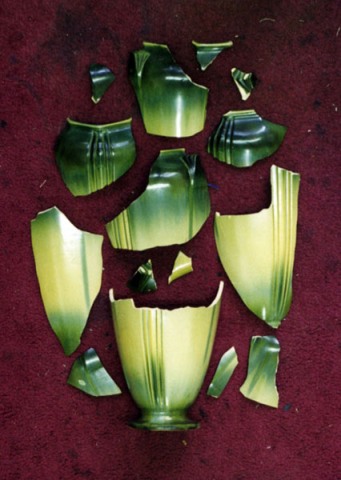
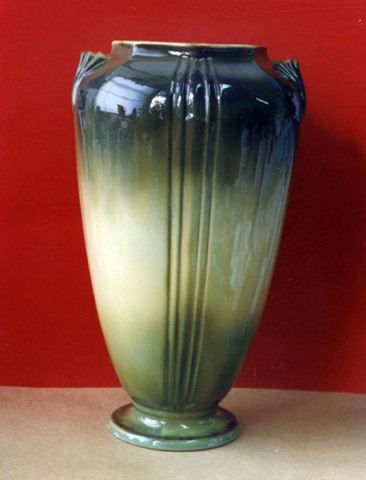
Ceramics have been an important part of day to day life for centuries. Early man found that certain types of clay, when heated and prepared properly, could be formed into durable and useful objects and figurines. From heavy use pots and vases, to one of a kind figurines and antiques, ceramics have remained at the forefront of every major household throughout the world.The reasons for the widespread appeal of ceramics are many and varied. Ceramics, by definition, can include many different types of materials used in a wide variety of ways. Whether it is a priceless antique or a sentimental heirloom, most families have at least one ceramic piece they treasure.While people have continued to use ceramics in day to day life through the centuries, few people ever considered the toll this use would take without constant ceramic restoration and conservation. As ceramics age, their monetary and sentimental value increases. Unfortunately, so does the number and types of cracks and chips that may appear. This invariably creates small cracks or chips in the surface that may affect not only the aesthetic appeal, but the overall value of the piece. Fortunately, ceramic repair means that there is no reason to throw out your beloved figurine or pottery just yet.Ceramic repair may sound daunting, but there are trained experts available to help you restore your figurines or priceless antiques back to their former glory. If you've found that your piece is suffering from cracks or entirely missing pieces, the ceramic restoration experts at Luel Restoration Studio can help.

Using a cutting edge process called invisible restoration, the individuals can glue back missing pieces and fill in tiny cracks. While these repairs may be extensive, they will hardly be noticeable to the untrained eye.Secondly, ceramic restoration can entail the creative use of paints and textures to restore a piece's color or pattern. Using similar techniques to the ones used to fill cracks, Luel's experts can identically match the style and pattern of the original ceramic piece. This recreation will go beyond appearance, all the way to creating a matching texture that will be almost indistinguishable from the original piece.After the repair is complete, the ceramic restoration artist at Luel Restoration Studio will work with you to ensure that the piece is able to stand up to future deterioration. Our skilled expert will work to strengthen particularly weak areas of the piece, preventing futures cracks and chips. All repairs and restorations should be able to bring the piece back to its original appearance and integrity without changing the object's overall substance.No matter how easy the repair may seem, never attempt a ceramic repair on your own.Only a trained and skilled expert can recognize the complexities and nuances of your pieces and recommend the most up to date repair options. A poorly done repair can not only damage your piece more, it may render the entire ceramic figurine or pottery beyond repair. This will not only destroy a sentimental heirloom, it will render your priceless ceramic antique worthless. Contact Luel Restoration Studio for your ceramic repair needs. http://www.luelstudio.com

Bailee's Coverage & Contractors Pollution Liability

Bailee’s Coverage and Contractors Pollution Liability available through Legends Environmental Insurance Services for your restoration company.

Did you know: If you are in the care, custody or control of your clients contents, without bailee’s coverage, you are 100% liable for any and all damage?

You need coverage for legal liability resulting from damage or destruction of your client’s property while under your temporary care, custody, and control. Legends can provide you with a job specific or full term policy with $20,000 to $2,000,000+ limits.

Are you unknowingly under insured? Did your agent lead you to believe that you are covered with a simple General Liability policy? Contractors Pollution Liability should be considered if you handle gases, liquids or solids. A pollution incident can put you out of business.

Big players in this industry can prove coverage to their clients, can you? Give Legends full service agency a call today at 800-992-6999 x291 and speak with Jennifer, your restoration contractor expert.

Tuesday, September 15, 2009

Barb Jackson, CR Speaks in Australia at Network Restorers Annual Conference


On the weekend of the 29th-31st May 2009 Network Restorers held their annual conference which was another roaring success.
Guest speakers from the US included Barb Jackson, CR and Libby Longstreth. They presented varying topics revolving around the conference theme “Pathway to Learning”.

These are some quotes we received from conference attendees.

"Just wanted to say thanks for a great weekend at the gold coast, everything was moved along well & kept interesting."

"Thanks to all involved it was great. Regards Jeff Nunn"

Saturday, September 5, 2009

To Train or Not to Train . . . That is the Question.


Some business owners refrain from training their employees for fear they will spend money training and then the employees will leave for greener pastures. Yet, the old adage goes . . . the only thing worse than training your employees and having them leave, is NOT training your employees and having them stay.

4 Layers of benefits derived from professional development are:

1) More motivated, skilled employees.
2) Increased productivity and thus greater ROI.
3) Long term positive change stimulated by new insights and ideas.
4) Improves communication and relationships with customers and team members.


So, what holds you back from training your team? Money? Fear of losing your trained employees? Unable to envision the ROI?

why would a business owner not want their team to be motivated, productive, and happy?
How can your bottom-line not be positively affected if your team is operating at their optimal level?

http://www.safarisolutions.com/to-train-or-not-to-train-that-is-the-question

Employee Cut vs Salary Cut

Small business owners need to be aware of the frustrations and concerns of their employees during this economic downturn. Owners must think carefully and act quickly. Keeping a small business “alive” today is a struggle, but what if employees do not want to stay with your company because they are scared of a job cut? Your business could go from running strong to barely breathing if your employees do not have your trust.
You want your employees to be loyal and to feel safe with you right?
Here are some key points that will keep that knot of trust tight.

• Communication is vital. Let your employees know how the business is doing. Hold meetings in which the owner can answer questions. Don’t wait until there is a pay cut or layoff; ask the employees ahead of time if they would be willing to take a pay cut to save the job.

• Give acknowledgement and show appreciation. Allow employees to take an extra day off or to go home early. Remember if there have been layoffs, other employees take on the additional responsibilities and can easily get burned out. Also tell employees that they are doing a great job and ask them if they have any concerns or questions.

Loyalty in a small business goes a long way. Just as you might be suffering with your business so might your employees’ lives. Keep their trust and keep your company!
http://www.safarisolutions.com/employee-cut-vs-salary-cut/

Tuesday, September 1, 2009

Shuttle crew become astro furniture movers

1:17PM Tuesday Sep 01, 2009

Space shuttle Discovery lights up the night sky after launching from Cape Canaveral. Photo / AP
Video Discovery arrives at space station
CAPE CANAVERAL - Astronauts hitched a giant chest of drawers to the international space station that contained a brand new freezer, sleeping compartment and treadmill bearing a TV comedian's name.
The Italian-built chest - nicknamed Leonardo, as in Leonardo da Vinci - was moved from space shuttle Discovery via a hefty robot arm and hoisted onto the space station.
It's loaded with nearly 8 tons of equipment and science experiments for the orbiting outpost and its six residents. Much of the gear is stored in portable racks; the bedroom is the size of a phone booth.
Leonardo will remain secured to the space station for the next week. The astronauts will remove the cylindrical vessel - 6.5 metres long and 4.6 metres in diameter - and place it back on space shuttle Discovery for return to Earth. By that time, it will be loaded with trash and unneeded items.
Nasa's brand new $5 million treadmill - officially called the Combined Operational Load Bearing External Resistance Treadmill, or COLBERT for short - is in pieces and will need to be assembled after Discovery leaves.
The TV comedian ended up with an exercise machine named in his honour after he won an online vote for christening rights to a space station room. Unwilling to go with Colbert for the yet-to-be-launched room, Nasa opted for Tranquility to commemorate the Apollo 11 moon landing 40 years ago this summer. The treadmill was a consolation prize.
Shuttle astronaut Jose Hernandez will oversee Leonardo's unloading operation. He is filing regular Twitter updates from orbit, the first astronaut to do so in two languages, English and Spanish.
"Met our 6 neighbours & they seem nice!" Hernandez wrote.
Besides his bilingual tweets, Hernandez is taking part in several Spanish-language interviews during the mission. "I'm just happy to be able to share my experiences," said Hernandez, a Mexican-American who is the son of migrant workers. He grew up working the fields in California alongside his parents, two brothers and sister.
Next up for the 13 space travellers - seven on the shuttle and six on the station - is the first spacewalk of their joint mission.
The space station's newest inhabitant, Nicole Stott, will venture out on Tuesday evening with Danny Olivas to remove a depleted ammonia tank.
A fresh tank will be installed as part of the space station cooling system during spacewalk No. 2 on Thursday night. In all, three spacewalks are planned.
Stott carried over six mice in an enclosed container overnight. The mice are part of a bone loss study and will return to Earth with her in November, aboard shuttle Atlantis.
Meanwhile, the chairman of Nasa's mission management team, LeRoy Cain, delivered some good news Monday: Discovery's thermal shielding looks to be in good shape and should soon be cleared for re-entry, currently scheduled for Sept. 10.
Flight controllers, meanwhile, are looking at fuel-efficient ways to move the shuttle-station complex over the coming week. Discovery's tiny steering jets are unusable because of a leak.
- AP

Wednesday, July 1, 2009

Storing Beanie Babies in zip-lock bags is about the worst way to store your Beanies for perservation throughout the years. Zip-lock bags trap the off-gassing from PVC pellets that can destroy fibers and provide for no air circulation.

For the longest perservation, Beanies should be wrapped lightly in acid free tissue paper, unbleached muslin, or plain, uninked tyvek. They should be stored in a climate that is constant and not too humid or hot in temperature, with adequate ventilation.

In other words, not in a plastic bag stuffed into a closet or basement. After enveloping the Beanies in an acid free material, they should be stored in a container that allows for air circulation to allow for expansion, prevents mildew growth and damage from off gassing.

Periodically the Beanies should be repositioned and rewrapped to prevent stress on the fabric to cause damage that might eventually lead to cracking of fibers.